Tegalalang, Jatiluwih, and the ancient irrigation system that sculpted Bali's most iconic views.
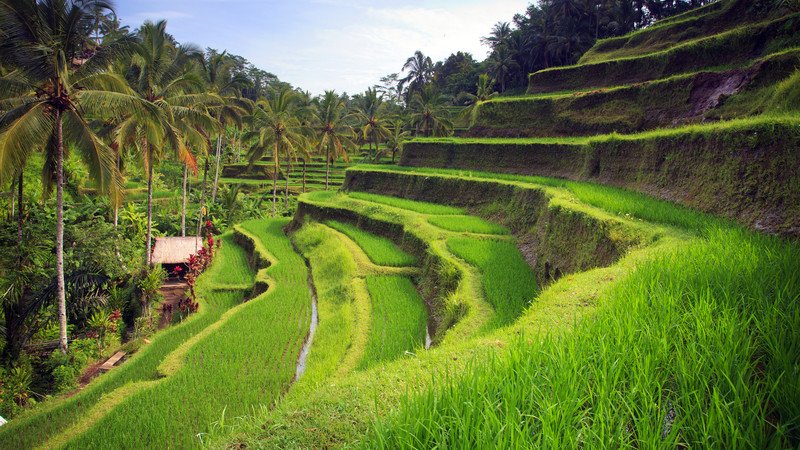
Few sights capture the soul of Bali quite like its rice terraces. Just thirty minutes north of Kano Sari, the Tegalalang Rice Terrace spills down a steep river valley in dramatic sculpted steps — a living masterpiece of agriculture and artistry that has drawn visitors for generations. The cascading green tiers, framed by swaying coconut palms, are among the most photographed landscapes on the island. Arrive early in the morning, when the light is soft and the crowds have yet to gather, and you will understand why these terraces have come to symbolise Bali itself.
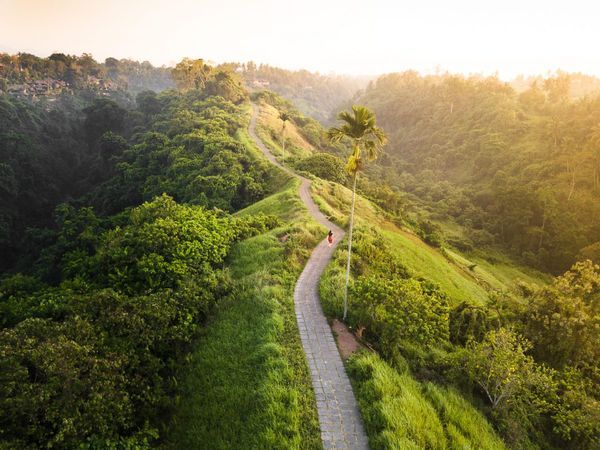
For a grander, more immersive experience, venture northwest to Jatiluwih — a UNESCO World Heritage Site where over six hundred hectares of paddies stretch across the slopes of Mount Batukaru in seemingly endless waves. Jatiluwih is quieter, vaster, and profoundly beautiful. Walking its trails feels like stepping into a Bali that has changed little over the centuries, with farmers still planting and harvesting by hand, and small shrines dotting the field edges as offerings to Dewi Sri, the goddess of rice and fertility.
What makes both landscapes possible is the subak — Bali’s ancient communal irrigation system, dating back to the ninth century. More than simple engineering, the subak is a philosophy of shared water management rooted in the Hindu concept of Tri Hita Karana, the harmony between people, nature, and the spiritual world. Water flows from volcanic springs through an intricate network of canals, tunnels, and weirs, distributed equitably among farming communities without the need for centralised control. It is this extraordinary system, as much as the terraces themselves, that earned Bali’s cultural landscape its UNESCO recognition — and it is still very much alive today.
Kano Sari Insider
Tegalalang is closest (30 minutes) but Jatiluwih is the UNESCO-listed showstopper. We'll arrange a driver for either — or both in a single day trip.